
Espresso tamper
Espresso tamper – choose the right size
A tamper is used to compress the ground coffee in the filter basket before the espresso is brewed.
Most importantly, the diameter of the tamper must match the filter basket. From there, you can choose between different designs, such as classic manual tampers, self-leveling tampers, impact tampers, and automatic tampers.
At Brændeholm Risteri, you will find tampers in several sizes and designs for both the home barista and more advanced espresso setups.
See also our tamping mats and tamping stations for a stable base during tamping.
What size tamper should I choose?
Diameter is the most important factor when choosing a tamper.
The tamper must fit the specific filter basket you are using – not just the nominal size of the portafilter or the brand of the espresso machine.
In our assortment, you will find, among others, tampers around:
-
49 mm
-
51 mm
-
53 mm
-
54 mm
-
57 mm
-
58 mm
-
58.4 mm
Always check the manufacturer's specifications for your filter basket before choosing.
A tamper that is too small leaves more space along the edge of the coffee puck.
A tamper that is too large may get stuck or not fit into the basket at all.
The goal is therefore not the largest possible tamper, but the right size for the basket.
51 mm tamper
51 mm is used on various smaller portafilter systems.
If your filter basket has a recommended tamper diameter of around 51 mm, you should choose accordingly rather than assuming compatibility based on the machine brand alone.
With us, you will find, among others, classic Motta tampers in this size.
53 and 54 mm tamper
53 and 54 mm are common sizes among small and medium-sized portafilter systems.
The difference of one millimeter may seem small, but the fit against the sides of the filter basket can be noticeable.
You should therefore check the recommended tamper diameter for your specific filter basket.
If the manufacturer recommends 53 mm, a 54 mm model is not automatically a better choice – and vice versa.
57 mm tamper
57 mm is found on some espresso systems and sits between the smaller 51–54 mm sizes and the widespread 58 mm systems.
If you have a filter basket intended for a 57 mm tamper, you should choose that exact size.
Do not try to compensate with a smaller or larger tamper if the correct size is available.
58 mm tamper
58 mm is very common among traditional espresso machines and professional portafilter systems.
Here you will find both classic 58 mm tampers and more specialized solutions.
If you use a precision basket, you should check whether the basket manufacturer recommends 58 mm or, for example, 58.4 mm.
See our selection of precision baskets for espresso.
58 or 58.4 mm tamper?
The difference is only 0.4 mm, but the purpose of a 58.4 mm model is typically to provide a tighter fit in compatible filter baskets.
This does not mean that 58.4 mm is always better than 58 mm.
If the filter basket is intended for 58 mm, you should not automatically choose a larger tamper.
If you are using, for example, an IMS precision basket, check the recommended tamper diameter for that specific model.
Why does the fit matter?
When the tamper is pressed into the filter basket, you want to compress the coffee puck as evenly as possible.
A very small tamper leaves a larger area along the edge that is not directly affected by the base of the tamper.
If the tamper is too large, it risks getting stuck in the basket.
Therefore, size should always be chosen before design, color, and material.
How to tamp espresso
Start by dosing the desired amount of coffee into the filter basket.
Then distribute the ground coffee as evenly as possible.
Place the tamper level on top of the coffee puck and press down in a controlled manner.
The most important things are:
-
That the tamper is kept level
-
That the coffee puck is compressed
-
That the surface becomes as even as possible
-
That the workflow is repeatable
When tamping is finished, the tamper is lifted straight up.
The portafilter is then ready for brewing.
How hard should you tamp?
You do not need to try to hit a specific number of kilos every time.
Once the coffee puck is compressed, continuing to press significantly harder does not necessarily provide a better result.
For home use, it is therefore more relevant to focus on:
Even tamping → stable workflow → correct dosing → correct grinder setting
rather than trying to hit a specific pressure number manually.
Classic manual tamper
The classic tamper typically consists of a fixed base and a handle.
You control:
-
Placement
-
Angle
-
Pressure
-
Movement
It is the simplest type of tamper and is sufficient for the vast majority of home baristas.
A good manual tamper does not need to be technically advanced.
The most important thing is the correct diameter and a grip that you can work with steadily.
What is a self-leveling tamper?
A self-leveling tamper is designed to help keep the base level in relation to the filter basket.
On many models, an outer collar or support rests against the top edge of the basket while the tamper base is moved down toward the coffee puck.
This can reduce the risk of tamping unevenly.
This does not mean that self-leveling automatically provides better espresso in all situations.
The advantage is primarily that the design can make it easier to repeat a level tamping.
Traditional or self-leveling tamper?
Choose a classic tamper if you:
-
Want a simple design
-
Have a stable tamping technique
-
Prefer full manual control
-
Want to keep equipment simple
Choose self-leveling if you:
-
Often end up tamping unevenly
-
Want to reduce one variable in your workflow
-
Prefer a mechanical guide to keep the tamper level
Both types can work well.
Impact tamper
An impact tamper uses an internal mechanism that is activated during tamping.
The purpose is to make the tamping pressure itself more reproducible while also helping with a consistent workflow.
The Timemore Impact Impulse is an example of this type of tamper and combines a self-leveling design with a mechanical impact function.
It is a more advanced solution than a traditional tamper.
It is especially interesting if you want to reduce variation between your tamping.
However, you do not need an impact tamper to make good espresso.
Ripple or flat tamper base?
Many tampers have a completely flat base.
This is a simple and good starting point for most filter baskets.
Some advanced tampers also feature a ripple base with a pattern on the surface.
The most important choice is still size and correct tamping.
Therefore, do not choose a ripple base solely based on the expectation that a certain pattern will automatically improve the espresso.
Automatic tamper
An automatic tamper performs the tamping mechanically.
PuqPress is an example of this type of solution.
Automatic tampers are especially used in environments where many espressos are prepared or where one desires a highly reproducible workflow between different users.
For normal home use, an automatic tamper is usually not necessary.
A manual tamper or self-leveling model will be sufficient for the vast majority.
Manual or automatic tamper?
For home use, I would choose manual by default.
Automatic tamping becomes especially relevant for:
-
Many espressos every day
-
Commercial use
-
Multiple people using the same espresso machine
-
The desire for a very consistent work process
-
The need to reduce physical strain from repetitive tamping
At the same time, the price is significantly higher than for a traditional tamper.
Therefore, choose based on actual need.
Distribution of coffee before tamping
The tamper compresses the coffee puck.
It cannot, however, necessarily fix a very uneven distribution of ground coffee.
Therefore, you may choose to work on the distribution before tamping.
A WDT tool uses thin needles to break up clumps and distribute the ground coffee through the filter basket.
Afterward, the coffee is tamped.
A simple workflow can be:
Dose → WDT → tamp → brew
If the coffee easily ends up outside the filter basket during WDT, a dosing funnel can be practical.
Tamper or distributor?
A tamper and a distributor are not the same thing.
A tamper compresses the coffee puck.
A distributor or leveler is used to work with the distribution or surface before tamping.
Therefore, a distributor should not be considered a substitute for a tamper.
Many home baristas today choose a simple workflow with WDT followed by tamping rather than adding many different steps.
Tamper and precision basket
If you use a precision basket, the diameter of the tamper is particularly important.
Precision baskets are available with different internal dimensions and recommendations for tamper size.
A basket for a 58 mm portafilter system, for example, might be developed for a tamper around 58.4 mm.
Therefore, always check the specification of the specific filter basket.
Tamper and coffee scale
A coffee scale performs a different task than the tamper.
The scale makes it possible to keep the coffee dose and the espresso yield stable.
The tamper is responsible for the compression.
If you want to work systematically with espresso, it makes more sense to manage several variables separately:
Dose → grind size → distribution → tamping → brew yield
This makes it easier to understand what changes the espresso.
Tamping mat or tamping station
When you tamp, you apply a relatively large amount of pressure through the portafilter.
A tamping mat or tamping station provides a solid work area and simultaneously helps protect the countertop.
A simple rubber mat is sufficient for many home baristas.
A tamping station can be relevant if you want a more fixed spot for the portafilter during tamping.
Tamper with wooden handle or metal
The handle material is largely about ergonomics and design.
A wooden handle provides a classic look.
Metal often provides a more modern design and may have a different weight distribution.
Neither one automatically makes the espresso better.
The most important thing is that the tamper:
-
Fits the filter basket
-
Feels good in the hand
-
Can be held steadily
-
Makes it easy to tamp level
Is a heavy tamper better?
Not necessarily.
A heavy tamper can feel stable and require a little less active force from the hand.
Others prefer a lighter tamper.
As long as you can compress the coffee puck level and in a controlled manner, weight is primarily a matter of ergonomics and personal preference.
Should you turn the tamper after tamping?
It is not necessary.
A traditional “polishing” turn, where the tamper is rotated on top of the coffee puck, is not a necessary step.
Instead, focus on tamping level and lifting the tamper straight up afterward.
A simple and repeatable workflow is usually preferred.
Which tamper should I choose as a beginner?
Start with the size.
Find the recommended tamper diameter for your filter basket.
Then you can choose a classic manual tamper with a flat base.
If you experience problems keeping the tamper level, a self-leveling model might be interesting.
You do not need to start with the most expensive or advanced tamper.
Tampers at Brændeholm Risteri
At Brændeholm Risteri, you will find tampers for various portafilters and espresso setups.
The assortment includes, among others, tampers from:
-
Motta
-
Timemore
-
Rhino Coffee Gear
-
Barista Space
-
PuqPress
You will find both classic manual models, self-leveling tampers, impact tampers, and automatic solutions.
Choose first based on the size of the filter basket and then based on the type of workflow you prefer.
Also see our espresso equipment, WDT tools, precision baskets, coffee scales, and tamping mats and tamping stations.
Frequently asked questions about tampers
What is a tamper used for?
A tamper is used to compress ground coffee in the filter basket and create a level coffee puck before espresso brewing.
What size tamper should I choose?
Choose based on the filter basket's recommended tamper diameter. Check the specific basket rather than only choosing based on the espresso machine's brand.
What is the difference between 58 and 58.4 mm?
58.4 mm provides a tighter fit in filter baskets intended for this diameter. The right size depends on the specific basket.
How hard should I tamp?
Use a firm and controlled pressure until the coffee puck is compressed. Level and repeatable tamping is more important than trying to hit a specific number of kilos.
What is a self-leveling tamper?
It is a tamper with a design that helps keep the base level in relation to the filter basket during tamping.
What is an impact tamper?
An impact tamper uses an internal mechanism to make tamping more reproducible. Some models combine this with self-leveling.
Should I use WDT before tamping?
It is not a requirement, but WDT can help distribute and break up ground coffee before tamping.
Is an expensive tamper better?
Not necessarily. Correct size and stable tamping are more important than price alone.
Is a distributor the same as a tamper?
No. A distributor works with the distribution or surface of the coffee, while the tamper compresses the coffee puck.
Do I need an automatic tamper?
Usually not for normal home use. Automatic tampers are especially relevant for higher volumes and more standardized workflows.
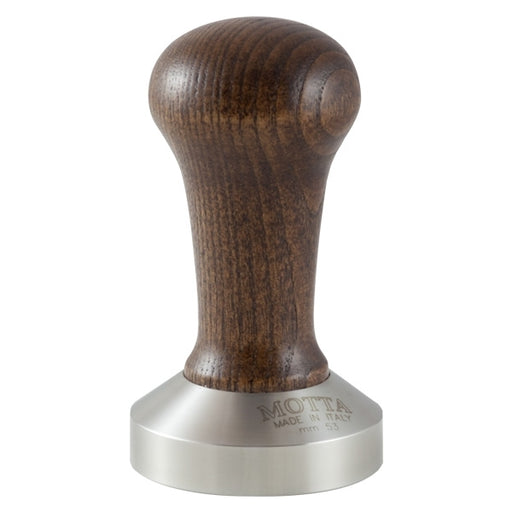
Motta Wooden Tamper 53mm for Sage
Original price
229,00 kr
-
Original price
229,00 kr
Original price
229,00 kr
229,00 kr
-
229,00 kr
Current price
229,00 kr
Motta Tamper 53mm Fits the Sage Barista series A stainless steel coffee tamper with a beautiful wooden handle. It will grace any coffee corner and ...
View full details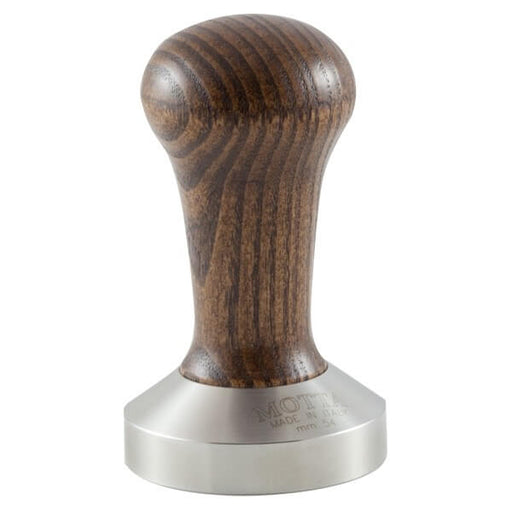
Motta Tamper 54mm - Stainless Steel - Wooden Handle
Original price
178,00 kr
-
Original price
178,00 kr
Original price
178,00 kr
178,00 kr
-
178,00 kr
Current price
178,00 kr
Motta Tamper 54mm A stainless steel coffee tamper with a beautiful wooden handle. It will grace any coffee corner and make tamping a pure pleasure....
View full details
Timemore Impact Impulse Tamper 58.4 mm Ripple Base Black
Original price
549,00 kr
-
Original price
549,00 kr
Original price
549,00 kr
549,00 kr
-
549,00 kr
Current price
549,00 kr
Timemore Impact Impulse Tamper is an espresso tamper designed for those who want to achieve consistent, professional espresso shots every time. It ...
View full details
Motta Tamper Black 53 mm for Sage
Original price
165,00 kr
-
Original price
165,00 kr
Original price
165,00 kr
165,00 kr
-
165,00 kr
Current price
165,00 kr
Fits perfectly with the Sage Barista series. The Motta Tamper 53 mm Black is a professional tool for espresso enthusiasts who want a smooth and con...
View full details
Motta Tamper Black 54 mm
Original price
159,00 kr
-
Original price
159,00 kr
Original price
159,00 kr
159,00 kr
-
159,00 kr
Current price
159,00 kr
The Motta Tamper 54 mm Black is a professional tool for espresso enthusiasts who want an even and consistent coffee tamp. This tamper is designed t...
View full details
Motta Tamper Wood 58.4 mm Competition
Original price
289,00 kr
-
Original price
289,00 kr
Original price
289,00 kr
289,00 kr
-
289,00 kr
Current price
289,00 kr
The Motta Tamper 58.4 mm is a professional tool for espresso enthusiasts who want an even and consistent coffee tamp. This tamper is designed to pr...
View full details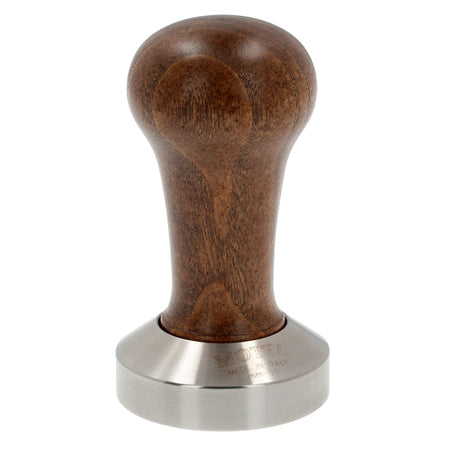
Motta Tamper 51 mm - Stainless steel - Wooden handle
Original price
323,00 kr
-
Original price
323,00 kr
Original price
323,00 kr
323,00 kr
-
323,00 kr
Current price
323,00 kr
Motta Tamper 51mm A stainless steel coffee tamper with an elegant wooden handle. It will grace any coffee corner and make tamping a pure pleasure. ...
View full details
Rhino Self-Levelling Tamper 58 mm Black
Original price
309,00 kr
-
Original price
309,00 kr
Original price
309,00 kr
309,00 kr
-
309,00 kr
Current price
309,00 kr
When brewing espresso, even the smallest details have a major impact on taste and consistency. Proper tamping is a crucial step, and this 58 mm aut...
View full details
Timemore Impact Impulse Tamper 58.4 mm Ripple Base White
Original price
549,00 kr
-
Original price
549,00 kr
Original price
549,00 kr
549,00 kr
-
549,00 kr
Current price
549,00 kr
Timemore Impact Impulse Tamper is an espresso tamper designed for those who want to achieve consistent, professional espresso shots every time. It ...
View full details
Timemore Impact Impulse Tamper 58.4 mm
Original price
549,00 kr
-
Original price
549,00 kr
Original price
549,00 kr
549,00 kr
-
549,00 kr
Current price
549,00 kr
Timemore Impact Impulse Tamper is an espresso tamper designed for those who want to achieve consistent, professional espresso shots every time. It ...
View full details
Motta Tamper Black 57 mm
Original price
349,00 kr
-
Original price
349,00 kr
Original price
349,00 kr
349,00 kr
-
349,00 kr
Current price
349,00 kr
The Motta Tamper 57 mm Black is a professional tool for espresso enthusiasts who want a smooth and uniform tamping of their coffee. This tamper is ...
View full details
Motta Tamper Black 51 mm
Original price
319,00 kr
-
Original price
319,00 kr
Original price
319,00 kr
319,00 kr
-
319,00 kr
Current price
319,00 kr
The Motta Tamper 51 mm Black is a professional tool for espresso enthusiasts who want a smooth and uniform coffee tamp. This tamper is designed to ...
View full details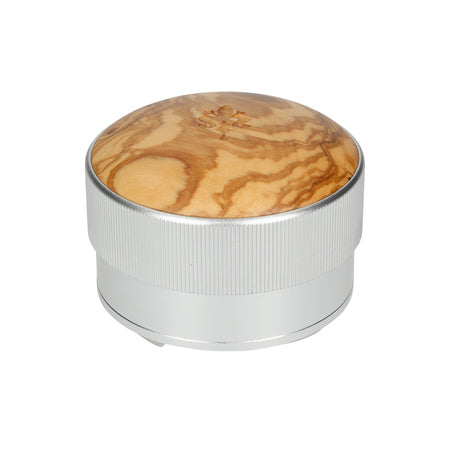
Eureka Leveler Olive Wood 58.3 mm
Original price
579,00 kr
-
Original price
579,00 kr
Original price
579,00 kr
579,00 kr
-
579,00 kr
Current price
579,00 kr
Eureka Olive Wood Leveler – When precision and craftsmanship go hand in hand Do you want to brew espresso with more precision and consistency? Then...
View full details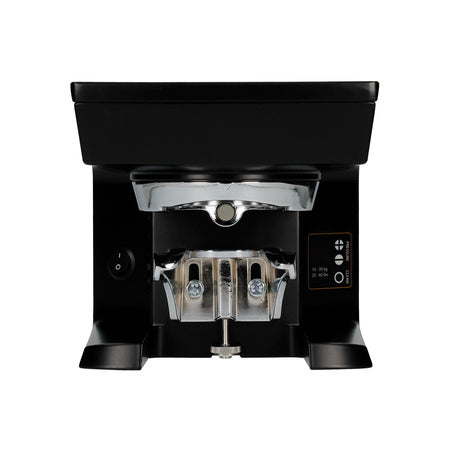
PuqPress M2 Gen 5 Matte Black 58.3 mm - Automatic tamper
Original price
7.350,00 kr
-
Original price
7.350,00 kr
Original price
7.350,00 kr
7.350,00 kr
-
7.350,00 kr
Current price
7.350,00 kr
☕ Upgrade your espresso experience with the PuqPress M2 Gen 5 Automatic TamperAchieve exceptional consistency and quality in your espresso with the...
View full details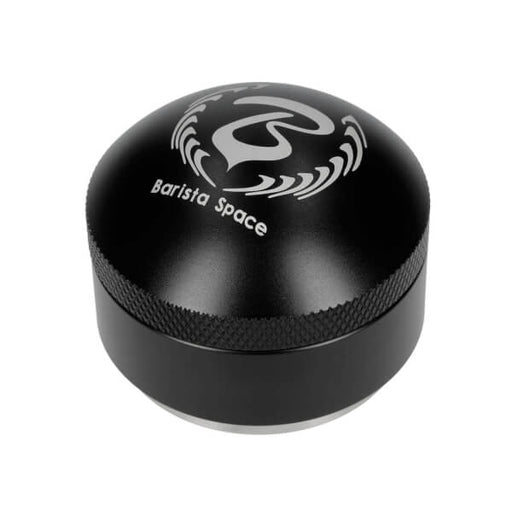
Barista Space C2 Tamper - Black 58 mm
Original price
349,00 kr
-
Original price
349,00 kr
Original price
349,00 kr
349,00 kr
-
349,00 kr
Current price
349,00 kr
Barista Space C2 TamperThe basis for a tasty espresso is correct tamping. This tamper from the Barista Space brand will not only decorate your coff...
View full details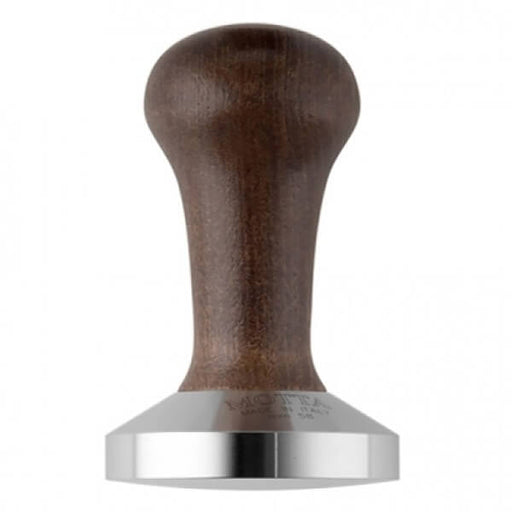
Motta Tamper 58mm - Stainless steel - Wooden handle
Original price
299,00 kr
-
Original price
299,00 kr
Original price
299,00 kr
299,00 kr
-
299,00 kr
Current price
299,00 kr
A tamper that feels just right in your hand. The Motta Tamper 58 mm combines a solid stainless steel base with a warm, ergonomic wooden handle – de...
View full details
Motta Tamper Black 58.4 mm Competition
Original price
289,00 kr
-
Original price
289,00 kr
Original price
289,00 kr
289,00 kr
-
289,00 kr
Current price
289,00 kr
The Motta Tamper 58.4 mm Black is a professional tool for espresso enthusiasts who want a smooth and uniform coffee tamp. This tamper is designed t...
View full details
Motta Tamper Black 58 mm
Original price
249,00 kr
-
Original price
249,00 kr
Original price
249,00 kr
249,00 kr
-
249,00 kr
Current price
249,00 kr
The Motta Tamper 58 mm Black is a professional tool for espresso enthusiasts who want a smooth and uniform coffee tamp. This tamper is designed to ...
View full details
Motta Nonstick Tamper 58 mm
Original price
219,00 kr
-
Original price
219,00 kr
Original price
219,00 kr
219,00 kr
-
219,00 kr
Current price
219,00 kr
The Motta Nonstick Tamper 58 mm is a professional tool for espresso lovers and baristas who want a smooth and seamless tamping experience. This tam...
View full details
Motta Carbon Tamper 58 mm
Original price
349,00 kr
-
Original price
349,00 kr
Original price
349,00 kr
349,00 kr
-
349,00 kr
Current price
349,00 kr
The Motta Tamper 58 mm carbon is the ideal tool for espresso enthusiasts and professional baristas who want precise tamping and optimal extraction....
View full details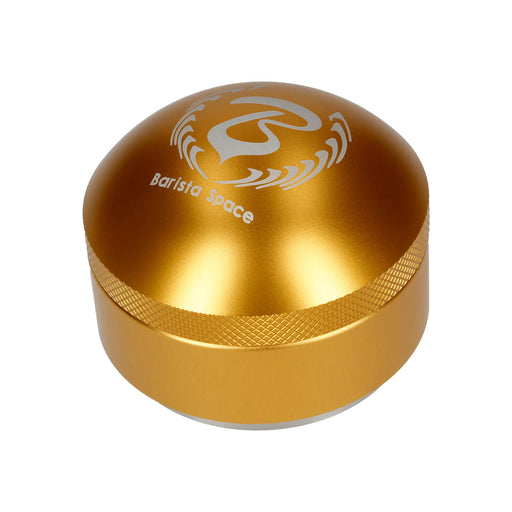
Barista Space C2 Tamper - Gold 58 mm
Original price
349,00 kr
-
Original price
349,00 kr
Original price
349,00 kr
349,00 kr
-
349,00 kr
Current price
349,00 kr
Barista Space C2 TamperThe basis for a tasty espresso is correct tamping. This tamper from the Barista Space brand will not only decorate your coff...
View full details
Motta Tamper Bubinga 58 mm
Original price
199,00 kr
-
Original price
199,00 kr
Original price
199,00 kr
199,00 kr
-
199,00 kr
Current price
199,00 kr
The Motta Tamper Bubinga is a professional tamper choice for espresso enthusiasts who desire both functionality and an elegant design. This tamper ...
View full details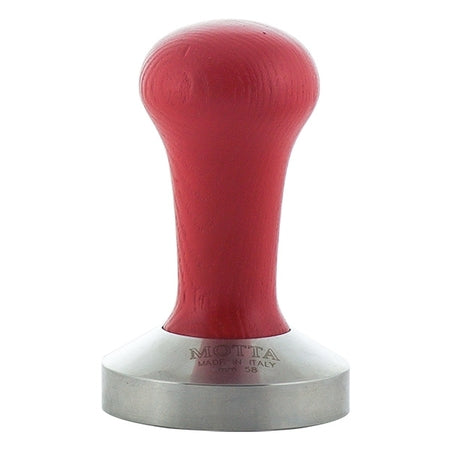
Motta Tamper Red 57 mm
Original price
159,00 kr
-
Original price
159,00 kr
Original price
159,00 kr
159,00 kr
-
159,00 kr
Current price
159,00 kr
The Motta Tamper 57 mm is a professional tool for espresso enthusiasts who want an even and consistent coffee tamp. This tamper is designed to prov...
View full details
Motta Tamper Black 49 mm
Original price
219,00 kr
-
Original price
219,00 kr
Original price
219,00 kr
219,00 kr
-
219,00 kr
Current price
219,00 kr
The Motta Tamper 49 mm Black is a professional tool for espresso enthusiasts who want a smooth and consistent coffee tamp. This tamper is designed ...
View full detailsEspresso tamper – choose the right size
A tamper is used to compress the ground coffee in the filter basket before the espresso is brewed.
Most importantly, the diameter of the tamper must match the filter basket. From there, you can choose between different designs, such as classic manual tampers, self-leveling tampers, impact tampers, and automatic tampers.
At Brændeholm Risteri, you will find tampers in several sizes and designs for both the home barista and more advanced espresso setups.
See also our tamping mats and tamping stations for a stable base during tamping.
What size tamper should I choose?
Diameter is the most important factor when choosing a tamper.
The tamper must fit the specific filter basket you are using – not just the nominal size of the portafilter or the brand of the espresso machine.
In our assortment, you will find, among others, tampers around:
-
49 mm
-
51 mm
-
53 mm
-
54 mm
-
57 mm
-
58 mm
-
58.4 mm
Always check the manufacturer's specifications for your filter basket before choosing.
A tamper that is too small leaves more space along the edge of the coffee puck.
A tamper that is too large may get stuck or not fit into the basket at all.
The goal is therefore not the largest possible tamper, but the right size for the basket.
51 mm tamper
51 mm is used on various smaller portafilter systems.
If your filter basket has a recommended tamper diameter of around 51 mm, you should choose accordingly rather than assuming compatibility based on the machine brand alone.
With us, you will find, among others, classic Motta tampers in this size.
53 and 54 mm tamper
53 and 54 mm are common sizes among small and medium-sized portafilter systems.
The difference of one millimeter may seem small, but the fit against the sides of the filter basket can be noticeable.
You should therefore check the recommended tamper diameter for your specific filter basket.
If the manufacturer recommends 53 mm, a 54 mm model is not automatically a better choice – and vice versa.
57 mm tamper
57 mm is found on some espresso systems and sits between the smaller 51–54 mm sizes and the widespread 58 mm systems.
If you have a filter basket intended for a 57 mm tamper, you should choose that exact size.
Do not try to compensate with a smaller or larger tamper if the correct size is available.
58 mm tamper
58 mm is very common among traditional espresso machines and professional portafilter systems.
Here you will find both classic 58 mm tampers and more specialized solutions.
If you use a precision basket, you should check whether the basket manufacturer recommends 58 mm or, for example, 58.4 mm.
See our selection of precision baskets for espresso.
58 or 58.4 mm tamper?
The difference is only 0.4 mm, but the purpose of a 58.4 mm model is typically to provide a tighter fit in compatible filter baskets.
This does not mean that 58.4 mm is always better than 58 mm.
If the filter basket is intended for 58 mm, you should not automatically choose a larger tamper.
If you are using, for example, an IMS precision basket, check the recommended tamper diameter for that specific model.
Why does the fit matter?
When the tamper is pressed into the filter basket, you want to compress the coffee puck as evenly as possible.
A very small tamper leaves a larger area along the edge that is not directly affected by the base of the tamper.
If the tamper is too large, it risks getting stuck in the basket.
Therefore, size should always be chosen before design, color, and material.
How to tamp espresso
Start by dosing the desired amount of coffee into the filter basket.
Then distribute the ground coffee as evenly as possible.
Place the tamper level on top of the coffee puck and press down in a controlled manner.
The most important things are:
-
That the tamper is kept level
-
That the coffee puck is compressed
-
That the surface becomes as even as possible
-
That the workflow is repeatable
When tamping is finished, the tamper is lifted straight up.
The portafilter is then ready for brewing.
How hard should you tamp?
You do not need to try to hit a specific number of kilos every time.
Once the coffee puck is compressed, continuing to press significantly harder does not necessarily provide a better result.
For home use, it is therefore more relevant to focus on:
Even tamping → stable workflow → correct dosing → correct grinder setting
rather than trying to hit a specific pressure number manually.
Classic manual tamper
The classic tamper typically consists of a fixed base and a handle.
You control:
-
Placement
-
Angle
-
Pressure
-
Movement
It is the simplest type of tamper and is sufficient for the vast majority of home baristas.
A good manual tamper does not need to be technically advanced.
The most important thing is the correct diameter and a grip that you can work with steadily.
What is a self-leveling tamper?
A self-leveling tamper is designed to help keep the base level in relation to the filter basket.
On many models, an outer collar or support rests against the top edge of the basket while the tamper base is moved down toward the coffee puck.
This can reduce the risk of tamping unevenly.
This does not mean that self-leveling automatically provides better espresso in all situations.
The advantage is primarily that the design can make it easier to repeat a level tamping.
Traditional or self-leveling tamper?
Choose a classic tamper if you:
-
Want a simple design
-
Have a stable tamping technique
-
Prefer full manual control
-
Want to keep equipment simple
Choose self-leveling if you:
-
Often end up tamping unevenly
-
Want to reduce one variable in your workflow
-
Prefer a mechanical guide to keep the tamper level
Both types can work well.
Impact tamper
An impact tamper uses an internal mechanism that is activated during tamping.
The purpose is to make the tamping pressure itself more reproducible while also helping with a consistent workflow.
The Timemore Impact Impulse is an example of this type of tamper and combines a self-leveling design with a mechanical impact function.
It is a more advanced solution than a traditional tamper.
It is especially interesting if you want to reduce variation between your tamping.
However, you do not need an impact tamper to make good espresso.
Ripple or flat tamper base?
Many tampers have a completely flat base.
This is a simple and good starting point for most filter baskets.
Some advanced tampers also feature a ripple base with a pattern on the surface.
The most important choice is still size and correct tamping.
Therefore, do not choose a ripple base solely based on the expectation that a certain pattern will automatically improve the espresso.
Automatic tamper
An automatic tamper performs the tamping mechanically.
PuqPress is an example of this type of solution.
Automatic tampers are especially used in environments where many espressos are prepared or where one desires a highly reproducible workflow between different users.
For normal home use, an automatic tamper is usually not necessary.
A manual tamper or self-leveling model will be sufficient for the vast majority.
Manual or automatic tamper?
For home use, I would choose manual by default.
Automatic tamping becomes especially relevant for:
-
Many espressos every day
-
Commercial use
-
Multiple people using the same espresso machine
-
The desire for a very consistent work process
-
The need to reduce physical strain from repetitive tamping
At the same time, the price is significantly higher than for a traditional tamper.
Therefore, choose based on actual need.
Distribution of coffee before tamping
The tamper compresses the coffee puck.
It cannot, however, necessarily fix a very uneven distribution of ground coffee.
Therefore, you may choose to work on the distribution before tamping.
A WDT tool uses thin needles to break up clumps and distribute the ground coffee through the filter basket.
Afterward, the coffee is tamped.
A simple workflow can be:
Dose → WDT → tamp → brew
If the coffee easily ends up outside the filter basket during WDT, a dosing funnel can be practical.
Tamper or distributor?
A tamper and a distributor are not the same thing.
A tamper compresses the coffee puck.
A distributor or leveler is used to work with the distribution or surface before tamping.
Therefore, a distributor should not be considered a substitute for a tamper.
Many home baristas today choose a simple workflow with WDT followed by tamping rather than adding many different steps.
Tamper and precision basket
If you use a precision basket, the diameter of the tamper is particularly important.
Precision baskets are available with different internal dimensions and recommendations for tamper size.
A basket for a 58 mm portafilter system, for example, might be developed for a tamper around 58.4 mm.
Therefore, always check the specification of the specific filter basket.
Tamper and coffee scale
A coffee scale performs a different task than the tamper.
The scale makes it possible to keep the coffee dose and the espresso yield stable.
The tamper is responsible for the compression.
If you want to work systematically with espresso, it makes more sense to manage several variables separately:
Dose → grind size → distribution → tamping → brew yield
This makes it easier to understand what changes the espresso.
Tamping mat or tamping station
When you tamp, you apply a relatively large amount of pressure through the portafilter.
A tamping mat or tamping station provides a solid work area and simultaneously helps protect the countertop.
A simple rubber mat is sufficient for many home baristas.
A tamping station can be relevant if you want a more fixed spot for the portafilter during tamping.
Tamper with wooden handle or metal
The handle material is largely about ergonomics and design.
A wooden handle provides a classic look.
Metal often provides a more modern design and may have a different weight distribution.
Neither one automatically makes the espresso better.
The most important thing is that the tamper:
-
Fits the filter basket
-
Feels good in the hand
-
Can be held steadily
-
Makes it easy to tamp level
Is a heavy tamper better?
Not necessarily.
A heavy tamper can feel stable and require a little less active force from the hand.
Others prefer a lighter tamper.
As long as you can compress the coffee puck level and in a controlled manner, weight is primarily a matter of ergonomics and personal preference.
Should you turn the tamper after tamping?
It is not necessary.
A traditional “polishing” turn, where the tamper is rotated on top of the coffee puck, is not a necessary step.
Instead, focus on tamping level and lifting the tamper straight up afterward.
A simple and repeatable workflow is usually preferred.
Which tamper should I choose as a beginner?
Start with the size.
Find the recommended tamper diameter for your filter basket.
Then you can choose a classic manual tamper with a flat base.
If you experience problems keeping the tamper level, a self-leveling model might be interesting.
You do not need to start with the most expensive or advanced tamper.
Tampers at Brændeholm Risteri
At Brændeholm Risteri, you will find tampers for various portafilters and espresso setups.
The assortment includes, among others, tampers from:
-
Motta
-
Timemore
-
Rhino Coffee Gear
-
Barista Space
-
PuqPress
You will find both classic manual models, self-leveling tampers, impact tampers, and automatic solutions.
Choose first based on the size of the filter basket and then based on the type of workflow you prefer.
Also see our espresso equipment, WDT tools, precision baskets, coffee scales, and tamping mats and tamping stations.
Frequently asked questions about tampers
What is a tamper used for?
A tamper is used to compress ground coffee in the filter basket and create a level coffee puck before espresso brewing.
What size tamper should I choose?
Choose based on the filter basket's recommended tamper diameter. Check the specific basket rather than only choosing based on the espresso machine's brand.
What is the difference between 58 and 58.4 mm?
58.4 mm provides a tighter fit in filter baskets intended for this diameter. The right size depends on the specific basket.
How hard should I tamp?
Use a firm and controlled pressure until the coffee puck is compressed. Level and repeatable tamping is more important than trying to hit a specific number of kilos.
What is a self-leveling tamper?
It is a tamper with a design that helps keep the base level in relation to the filter basket during tamping.
What is an impact tamper?
An impact tamper uses an internal mechanism to make tamping more reproducible. Some models combine this with self-leveling.
Should I use WDT before tamping?
It is not a requirement, but WDT can help distribute and break up ground coffee before tamping.
Is an expensive tamper better?
Not necessarily. Correct size and stable tamping are more important than price alone.
Is a distributor the same as a tamper?
No. A distributor works with the distribution or surface of the coffee, while the tamper compresses the coffee puck.
Do I need an automatic tamper?
Usually not for normal home use. Automatic tampers are especially relevant for higher volumes and more standardized workflows.


