
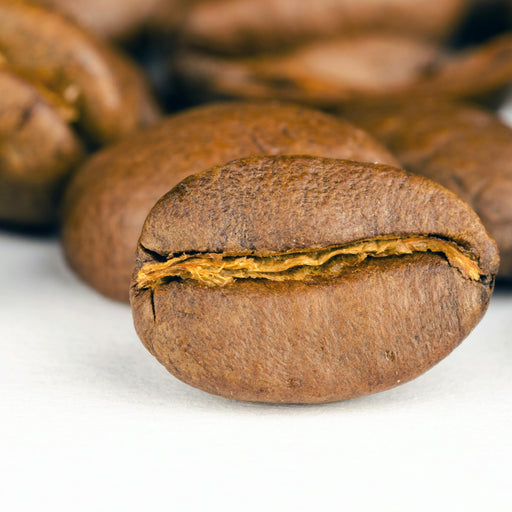

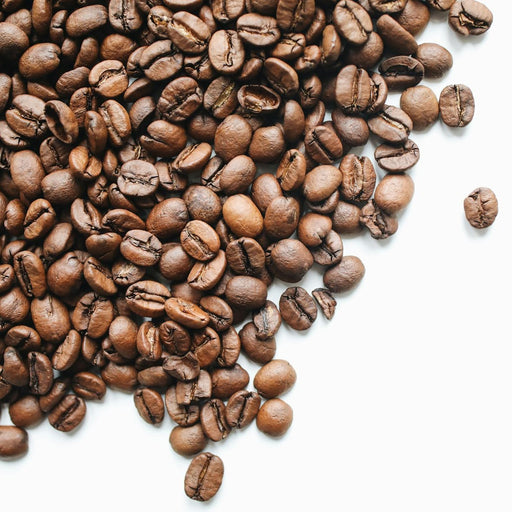
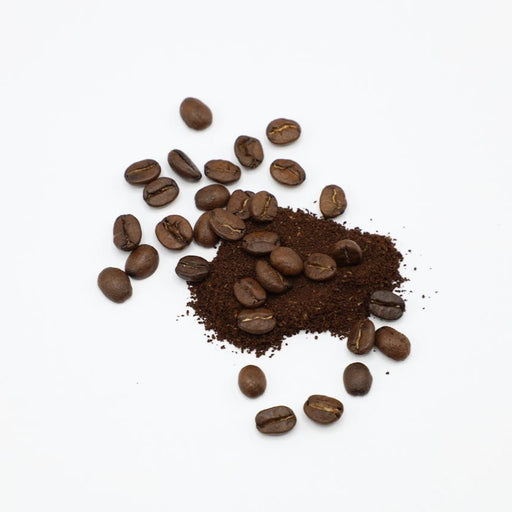
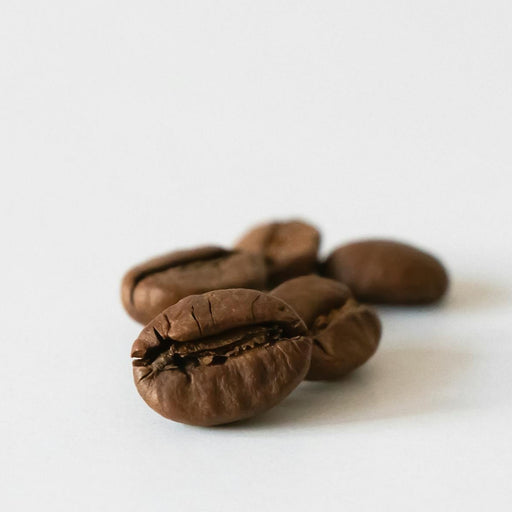
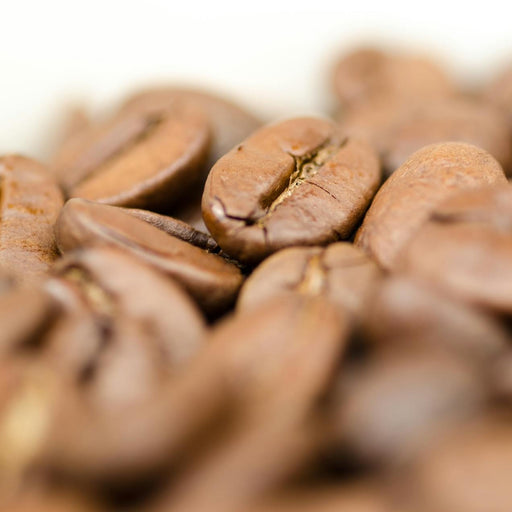
Light roast coffee beans – fruity and nuanced coffee
Light roast coffee beans are a great choice if you want to experience more of the coffee's origin and individual flavor character. With a light roast, the roast profile is less prominent than with darker roasts, allowing fruity, floral, sweet, and fresh flavor nuances to shine through more clearly.
At Brændeholm Risteri, we roast coffee several times a week at our own coffee roastery near Faaborg on Funen. Here, you will find our selection of light roast coffee beans from various coffee-producing countries and regions.
What does light roast coffee taste like?
Light roast coffee is often associated with a fresh and nuanced flavor profile. Depending on the coffee's origin, variety, and processing, you may experience notes reminiscent of citrus, berries, stone fruit, flowers, honey, and caramel, among others.
These flavor notes do not mean that ingredients like fruit or flowers have been added to the coffee. They describe the aromas and flavor impressions that can naturally be experienced in the individual coffee.
Light roast coffee beans typically have a more pronounced acidity than darker roasts. However, acidity does not necessarily mean the coffee tastes sour. In a well-brewed coffee, the acidity can be perceived as fresh and fruity, serving as an important part of the coffee's character.
Light roast, medium roast, or dark roast coffee?
The choice depends primarily on the flavor you prefer.
Light roast coffee typically features a more distinct origin character, fruitiness, and acidity, with less flavor from the roasting process itself.
Medium roast coffee often provides a good balance between the coffee's original character, sweetness, body, and roast profile.
Dark roast coffee typically has more body, lower perceived acidity, and a stronger, roast-forward flavor profile.
If you are new to light roast coffee and are usually accustomed to darker roasts, medium roast coffee can be a good place to start before moving toward the lightest roasts.
Which brewing method suits light roast coffee?
Light roast coffee beans can be used for many different brewing methods, but they are particularly popular for filter coffee and pour-over, where the coffee's aroma, clarity, and individual flavor nuances have ample opportunity to emerge.
Hario V60
A Hario V60 is an obvious choice for light roast coffee beans. The paper filter provides a clean cup of coffee, and the brewing method offers great control over grind size, water volume, and pouring.
This makes the V60 particularly interesting if you want to explore the differences between coffee beans from different countries and regions.
Chemex
Chemex uses a relatively thick paper filter, which yields a clean and clear cup of coffee. This can be an advantage for light roast coffees, where you want to highlight the more delicate and fruity flavor nuances.
AeroPress
AeroPress is a flexible brewing method that also works well with light roast coffee beans. Here, you can experiment with factors such as temperature, grind size, brew time, and the ratio of coffee to water.
Filter coffee machine
You don't need to hand-brew to enjoy light roast coffee. A good filter coffee machine can also provide excellent results if the grind size, dosage, and water temperature are suited to the coffee.
Can light roast coffee beans be used for espresso?
Yes. Espresso does not have to be dark-roasted.
Light roast coffee beans can provide a more fruity, fresh, and vibrant espresso than traditional darker roasts. However, it may require a little more work with grind size, temperature, and extraction.
If you prefer a classic espresso with a lot of body and a clear roast character, a medium or dark roast coffee will often be an easier starting point. Conversely, if you enjoy modern espresso with more fruitiness and distinct origin character, light roast coffee can be exciting to work with.
How to brew light roast coffee
For filter coffee, approximately 60 grams of coffee per liter of water is a good starting point.
This corresponds, for example, to:
-
15 grams of coffee to 250 ml of water
-
30 grams of coffee to 500 ml of water
-
60 grams of coffee to 1 liter of water
Light roast coffee beans often work well with relatively hot water. Around 92–96 °C is a good starting point for many filter brews, though the best temperature depends on the specific coffee and the brewing method.
The grind size must primarily suit your brewing method. For V60, a medium to medium-fine grind is typically used, while Chemex often works well with a slightly coarser grind size.
If the coffee tastes thin, sharp, or underdeveloped, you can try a finer grind size or longer extraction, among other things.
If, on the other hand, the coffee becomes very bitter, dry, or heavy, you can try grinding slightly coarser.
If you want to work more with dosage, grind size, and brewing technique, you will find several step-by-step guides in our brewing guides.
What does the coffee's origin mean for the taste?
Light roasting is interesting because the differences between various coffee beans often have more room to emerge.
The coffee's taste is influenced by, among other things, the country of origin, region, coffee variety, altitude, climate, and processing method. Therefore, two light roast coffees can taste vastly different.
A coffee from Kenya, for example, can have a completely different character than a coffee from Brazil, Colombia, or Ethiopia, even though they are all lightly roasted.
It is therefore worth looking at both the origin and flavor notes when choosing between the different coffee beans in the assortment.
How should you store light roast coffee beans?
Coffee beans should be stored:
-
Dry
-
Dark
-
At a stable room temperature
-
In well-sealed packaging
You can easily keep the coffee in the original bag if it can be sealed properly. If you want a separate solution, a coffee canister can be practical for protecting the coffee beans against unnecessary contact with air, light, and moisture.
Light roast coffee from our own roastery on Funen
At Brændeholm Risteri, we roast our own coffee near Faaborg on Funen and adapt the roast to the individual coffee and the flavor profile we wish to highlight.
The assortment of light roast coffee beans can change continuously, allowing you to explore coffee from different origins and with different flavor profiles.
On each individual coffee page, you can see current information regarding origin, flavor notes, roast degree, and more.
Frequently asked questions about light roast coffee
What is light roast coffee?
Light roast coffee is coffee beans where the roasting is stopped earlier than with medium and dark roasting. This typically leaves more room for the coffee's original character and results in less distinct flavor from the roasting process itself.
Is light roast coffee sour?
Light roast coffee often has more distinct acidity than darker roasts, but acidity is not necessarily the same as a sour coffee. Good acidity can be perceived as fresh, sweet, and fruity.
Is light roast coffee best for filter coffee?
Light roasting is very popular for filter coffee, V60, and Chemex, but light roast coffee beans can also be used for AeroPress, French press, coffee machines, and espresso.
Can light roast coffee be used for espresso?
Yes. Light roast espresso typically provides a more fruity and vibrant flavor profile than a classic darker espresso, but it may require more adjustment of the grind size and other brewing parameters.
Does light roast coffee have more caffeine?
The roast degree alone does not tell you how much caffeine ends up in the finished cup. Coffee type, dosage, brewing method, and portion size also play a role.
How hot should light roast coffee be brewed?
For filter coffee and pour-over, around 92–96 °C is a good starting point. However, the optimal temperature depends on the specific coffee, the roast degree, and the brewing method.
How do I store light roast coffee beans?
Store the coffee beans in a dry, dark place, well-sealed at a stable room temperature. The original bag with a good seal works fine, or you can use a suitable coffee canister.


