


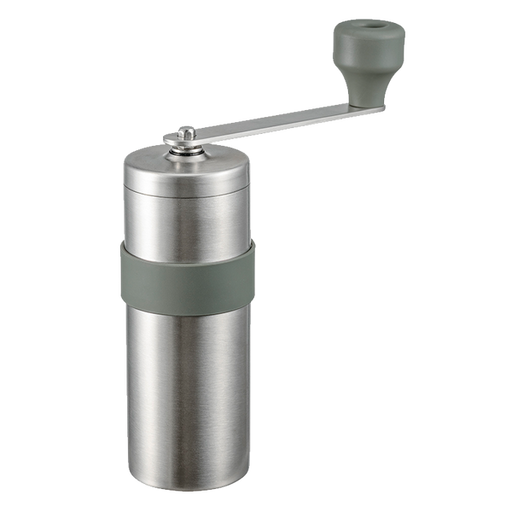


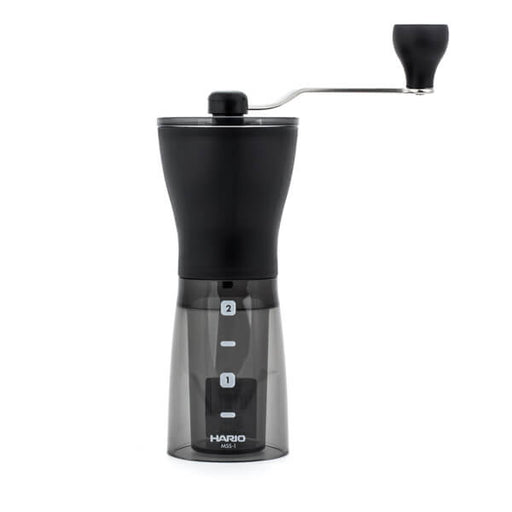
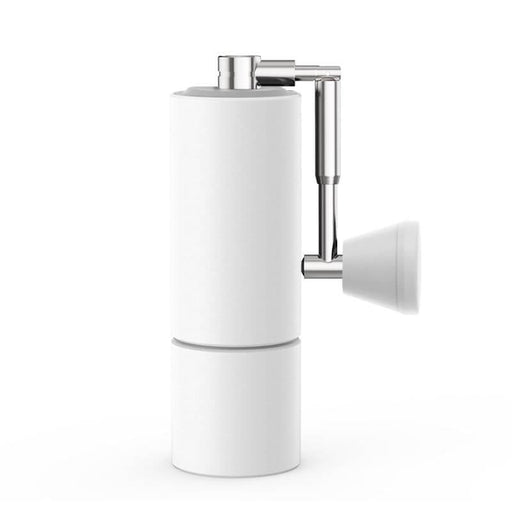
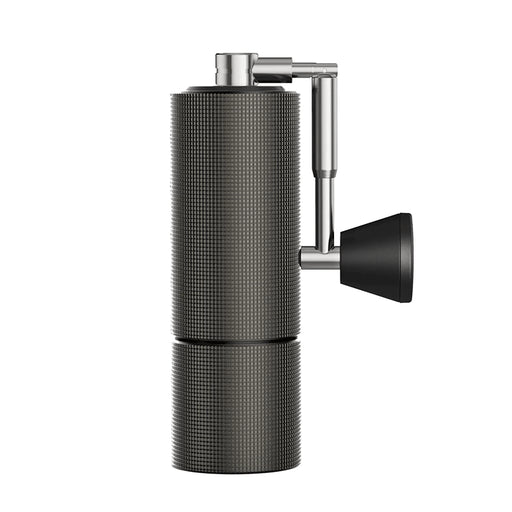


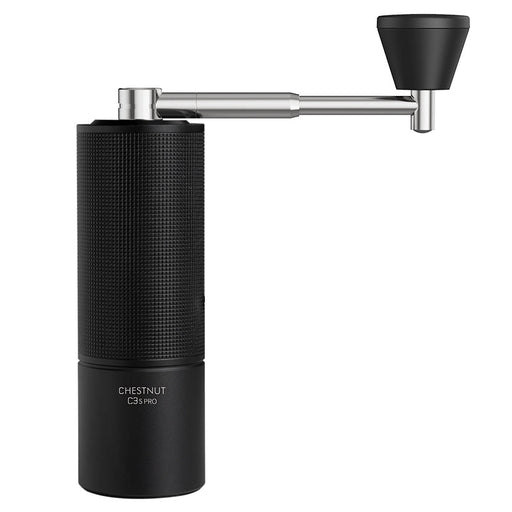
Coffee Grinders – freshly ground coffee starts with the right grinder
A good coffee grinder is one of the most important pieces of equipment if you want to get more out of your coffee beans. When coffee is ground shortly before brewing, more of the aromas, which quickly begin to disappear after grinding, are preserved.
At Brændeholm Risteri, you will find both manual coffee grinders and electric coffee grinders for various brewing methods. Regardless of whether you brew espresso, V60, AeroPress, filter coffee, or French press, it is important to choose a grinder that can deliver the correct grind size.
Which coffee grinder should I choose?
The right coffee grinder primarily depends on how you brew coffee.
For filter coffee, pour-over, and French press, there are many good options among both manual and electric grinders. For espresso, greater demands are placed on precision and the possibility of making very small adjustments to the grind size.
Consider in particular:
• Which brewing method you use the most
• Whether the grinder needs to be used for espresso
• Whether you prefer manual or electric grinding
• How much coffee you usually grind at a time
• How much space you have for the coffee grinder
• How precisely you want to be able to adjust the grind size
Manual coffee grinder or electric coffee grinder?
Both types can be good choices. The difference is mainly about workflow, capacity, and convenience.
Manual coffee grinders
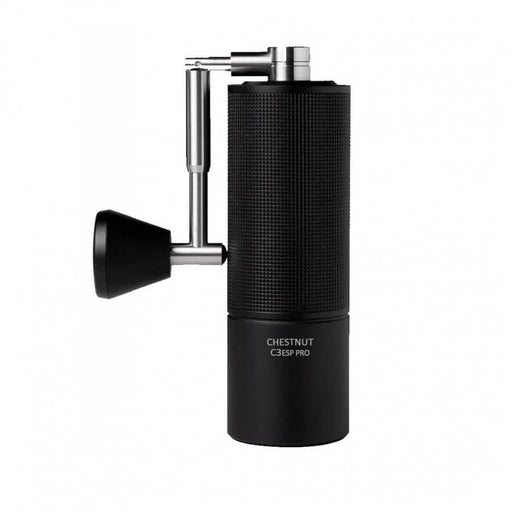
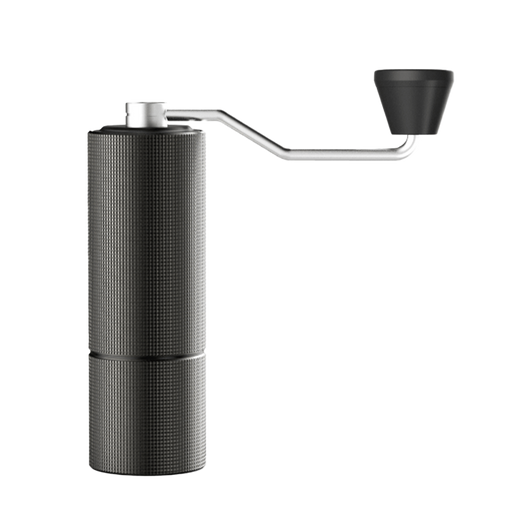
A manual coffee grinder is compact, quiet, and requires no electricity. It is therefore ideal for smaller portions of coffee, travel, camping, or for those who enjoy the manual part of coffee brewing.
At the same time, modern manual coffee grinders can deliver a very uniform grind and are available in models for both filter coffee and espresso.
Electric coffee grinders
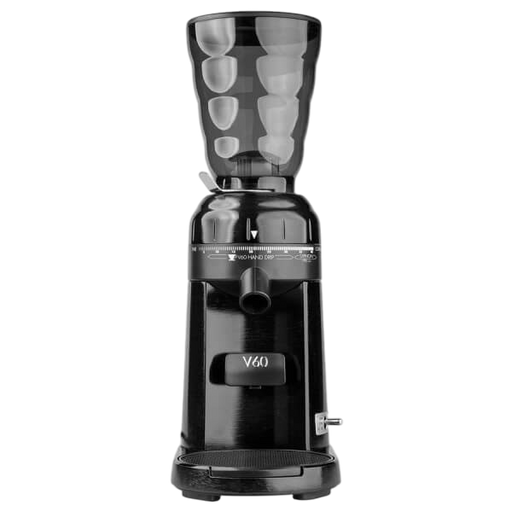
An electric coffee grinder makes the work faster and is practical if you grind coffee often or in larger quantities.
Electric models range from versatile grinders for filter coffee to specialized espresso grinders with very precise adjustment.
Why grind coffee beans just before brewing?
When coffee beans are ground, their surface area increases significantly. This means that the ground coffee comes into much greater contact with air than whole coffee beans.
Therefore, we recommend storing coffee as whole beans and only grinding the amount you need immediately before brewing.
This also makes it possible to adjust the grind size for the individual brewing method.
Coffee grinder with burrs rather than blades
For good coffee brewing, we recommend a coffee grinder with actual burrs rather than a classic blade grinder.
A blade grinder chops the coffee beans into different sizes, which can result in a mix of both very fine and coarse particles.
A coffee grinder with conical or flat burrs grinds the beans between two burr surfaces. This makes it possible to control the grind size much more precisely and work with a more uniform grind.
This is also why the coffee grinders in our assortment use actual burr sets.
Coffee grinder for espresso
Espresso is one of the brewing methods that places the greatest demands on the coffee grinder.
Small changes in grind size can have a big impact on how quickly the water runs through the coffee. Therefore, it is important to have a grinder that can make small and precise adjustments.
If you primarily brew espresso, you should therefore choose a coffee grinder that is specifically suitable for espresso.
Some manual coffee grinders also have very fine adjustment steps and can therefore be used for espresso, while an electric espresso grinder often provides a faster workflow.
Once the grinder is in place, you can find different roasts and flavor profiles in our selection of coffee beans for espresso.
Coffee grinder for filter coffee and pour over
For V60, Chemex, standard filter coffee, and other pour-over methods, a medium-fine to medium grind is typically used.
A good filter grinder must first and foremost be able to deliver a uniform grind and allow for adjustments according to the coffee beans, brewer, and recipe.
If the coffee runs through too quickly, you can typically try a finer grind. If the water runs very slowly, a coarser setting may be relevant.
Coffee grinder for AeroPress
AeroPress is flexible and can be used with many different grind sizes.
A medium-fine grind is a common starting point, but you can adjust both grind size, brew time, and dosage depending on the recipe you use.
This also means that most good manual and electric coffee grinders for filter coffee work well with AeroPress.
Coffee grinder for French press
For a French press, a relatively coarse grind is usually used.
A uniform grind is still important because many very fine coffee particles can pass through the metal filter and simultaneously affect the extraction.
A grinder with a good adjustment range makes it easier to find the right setting for your French press.
Conical or flat burrs?
Coffee grinders can have conical or flat burrs, among other things.
Both designs can deliver very good results, and the shape of the burrs alone does not tell you how good a coffee grinder is.
The grinder's overall construction, adjustment mechanism, motor or handle, burr geometry, and the desired brewing method also play a role.
Therefore, we recommend choosing a coffee grinder based on the specific application rather than just focusing on whether the burrs are flat or conical.
Single dose coffee grinders
A single dose coffee grinder is designed so that you weigh the desired amount of coffee beans before each grinding instead of storing a larger amount of beans in a bean hopper.
This is practical if you often switch between different coffee beans or want precise control over the dosage.
Single dosing is especially popular among home baristas but can also be interesting for filter coffee.
Grind size – from espresso to French press
There is no one correct grind size for all coffee.
As a general starting point, the grind size goes from very fine for espresso, through medium-fine and medium for filter coffee, to a coarser grind for French press.
The precise setting, however, depends on both the coffee grinder, the coffee beans, the brewing method, and the recipe.
Therefore, use the recommendation as a starting point and adjust according to the taste in the cup.
Coffee grinders from selected manufacturers
We choose coffee grinders based on function, quality, and relevance to the type of coffee brewing our customers use.
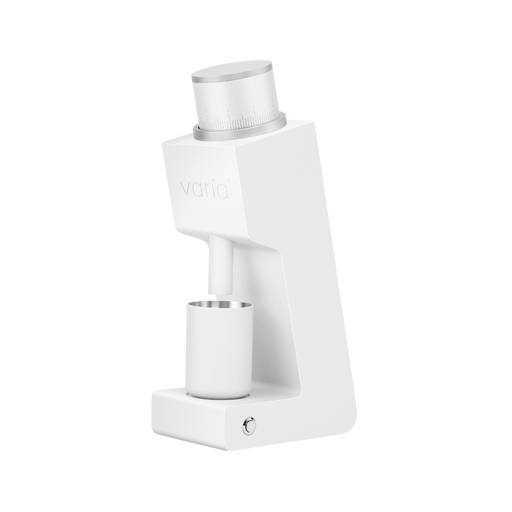
In our assortment, you can find manual and electric coffee grinders from manufacturers such as Timemore, Hario, Fellow, Eureka, and Varia.
The selection changes continuously as we find models that we believe make sense to have in our assortment.
Frequently asked questions about coffee grinders
Is an expensive coffee grinder worth the money?
It depends on your brewing method and your requirements. For espresso in particular, a better coffee grinder can make a big difference because precise and small adjustments are important. For standard filter coffee, you can achieve good results with a simpler grinder.
Is a manual coffee grinder just as good as an electric one?
A good manual coffee grinder can deliver very high quality. The difference often lies more in speed and convenience than in the actual quality of the grind.
Can the same coffee grinder be used for espresso and filter coffee?
Some models can. It requires a wide adjustment range and sufficiently fine settings for espresso. If you brew a lot of espresso, however, a dedicated espresso grinder may be more practical.
How finely should coffee be ground for espresso?
Espresso requires a fine grind, but the precise setting depends on the coffee beans, the dosage, and the espresso machine. Adjust the grind size according to the espresso's flow and taste.
How coarsely should coffee be ground for French press?
A relatively coarse grind is a good starting point for French press coffee. Adjust according to brew time and taste.
Why is freshly ground coffee better?
When the coffee beans are ground, the surface area increases sharply, and the ground coffee is affected more quickly by the surroundings. By grinding immediately before brewing, you preserve more of the coffee's aroma until brewing.
Should I choose a single dose coffee grinder?
Single dose is especially interesting if you weigh the coffee before each brew, often switch coffee beans, or want precise control over the dosage.
Which coffee grinder is best for beginners?
For filter coffee, a good manual coffee grinder is often an affordable place to start. If you want electric grinding or want to brew espresso, you should choose a model that is specifically suited to the desired brewing method.


