
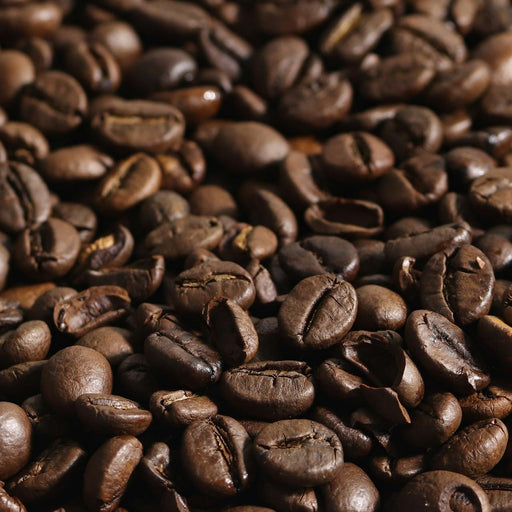
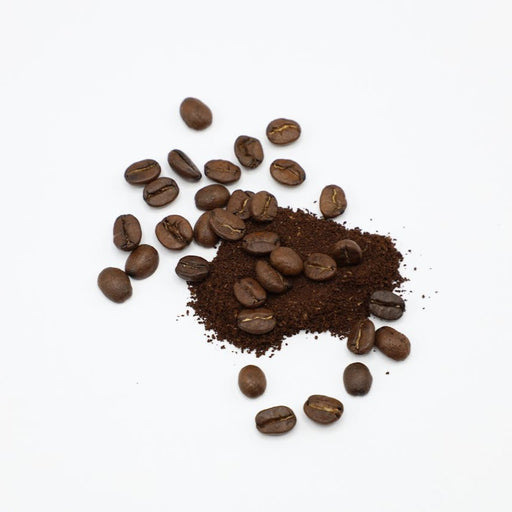
Dark roast coffee beans – intense and full-bodied coffee
Dark roast coffee beans are a great choice if you prefer a full-bodied coffee with a distinct roasted character and less prominent acidity.
When coffee is roasted darker, the roast plays a greater role in the flavor. You will often experience warm and intense nuances, which can be reminiscent of dark chocolate, cocoa, roasted nuts, caramel, or spices – depending on the specific coffee and roast profile.
Dark roast coffee is popular for, among other things, espresso, cappuccino, caffe latte, moka pot, French press, and regular drip coffee.
At Brændeholm Risteri, we roast our own coffee on Funen several times a week. Here you will find our selection of dark roast coffee beans for various brewing methods and taste preferences.
What is dark roast coffee?
Dark roast coffee is coffee beans that have been roasted longer or with a roast profile that provides greater development than light and medium roast coffee beans.
The result is typically a darker bean and a coffee where the character of the roast stands out more clearly.
There is no single specific temperature or color that internationally defines exactly when a coffee is dark roast.
The degree of roast depends on, among other things:
• The coffee bean
• The roaster
• Roasting time
• Temperature development
• Airflow
• The desired flavor profile
Therefore, two coffees both sold as dark roast can taste very different.
How does dark roast coffee taste?
Dark roast coffee beans are typically associated with a stronger roasted character and less distinct fruitiness than light roast coffees.
Depending on the coffee, the flavor notes can be reminiscent of, for example:
• Dark chocolate
• Cocoa
• Caramel
• Roasted nuts
• Spices
• Brown sugar
• Tobacco-like or roasted nuances
This does not mean that all dark roast coffees taste the same.
The coffee's origin, variety, processing, and roast profile still matter.
A dark roast coffee from Colombia can therefore easily be perceived differently than a dark roast coffee from Nicaragua.
Does dark roast coffee have less acidity?
Dark roast coffee is typically perceived as less acidic than light roast coffee.
During roasting, a number of the coffee's acids and aromatic compounds change, and with darker roasting, roast character, bitterness, and body typically become more prominent.
However, it is too categorical to say that dark roast coffee has “no acidity”.
The coffee can still have acidic flavor impressions, and the perceived acidity also depends on the specific coffee bean and the brewing.
If you generally find that light roast coffee is too crisp or acidic, dark roast coffee beans can be a really good place to look.
Dark, medium, or light roast coffee?
The choice is primarily about which flavor you prefer.
Light roast coffee
Typically has more distinct origin character, fruitiness, and acidity and less flavor from the roast.
Medium roast coffee
Sits between the two and often provides a balance between the coffee’s individual character, sweetness, body, and roast influence.
Dark roast coffee
Usually has a more distinct roast character, greater perceived bitterness, and less prominent acidity.
If you like classic, full-bodied coffee with chocolate, nutty, and roasted flavor notes, dark roast is often a good choice.
Who is dark roast coffee for?
Dark roast coffee beans are especially suitable for those who want:
• Clear and strong coffee flavor
• Full-bodied mouthfeel
• Less prominent acidity
• More roast character
• Coffee that cuts through milk clearly
• Classic espresso or moka pot profile
If, on the other hand, you are looking for floral, fruity, and very origin-typical flavor notes, a lighter roast will often be more interesting.
Dark roast coffee beans for espresso
Dark roast coffee is closely linked to traditional espresso.
The roast profile can give the espresso a full and intense character that works both on its own and with milk.
A good starting point for a double espresso could be:
18 grams of coffee in
36 grams of espresso out
in approximately 25–35 seconds.
This is just a starting point.
Taste the espresso and adjust the coffee grinder according to the result.
If the espresso runs too fast, you can usually grind finer.
If it runs too slowly, you can usually grind coarser.
Is dark roast coffee easier to brew as espresso?
Darker roast coffee beans are generally easier to extract than very light roasts.
This can make a darker coffee relatively easy to work with on many home espresso machines.
However, that does not mean that all dark roast coffees automatically make good espresso.
You still need to find the right combination of:
• Dosing
• Grind size
• Yield
• Brew time
• Temperature
Very dark roast coffee can also become bitter or dry if the extraction becomes too aggressive.
Dark roast coffee for cappuccino and caffe latte
Dark roast coffee beans work really well in milk drinks.
Milk dampens some of the espresso's intensity, so a coffee with clear body and roast character can cut through well.
This makes dark roast popular for, among other things:
• Cappuccino
• Caffe latte
• Flat white
• Cortado
• Latte macchiato
If you prefer milk drinks with a clear coffee flavor rather than a very fruity espresso, dark roast coffee is worth a try.
Dark roast coffee for moka pot and espresso maker
Dark roast coffee beans also work really well in a moka pot – often called an espresso maker or moka pot.
The moka pot makes concentrated coffee with significant body, but it does not make espresso in a technical sense.
For a moka pot, the coffee should usually be ground finer than for regular drip coffee, but coarser than for traditional espresso.
Fill the filter basket loosely with coffee and avoid tamping the coffee.
Fill water in the bottom part to just below the safety valve and brew at moderate heat.
Dark roasting can provide a classic and strong moka pot brew with clear notes of, for example, chocolate and roasted nuts.
Dark roast coffee for French press
Dark roast coffee can also be brewed in a French press.
Here, the metal filter provides a relatively full-bodied cup because more coffee oils and fine particles end up in the coffee compared to paper filtering.
A good starting point is:
60 grams of coffee per liter of water
with a medium-coarse to coarse grind size.
If the coffee becomes too bitter or heavy, you can try:
• Coarser grind
• Slightly lower temperature
• Shorter contact time
Taste is more important than following one specific recipe slavishly.
Dark roast coffee for drip coffee
Dark roast coffee beans do not only have to be used for espresso.
They can easily be used in a standard filter coffee machine.
If you like traditional drip coffee with clear body and roast character, dark roast can be a good choice.
Start, for example, with:
60 grams of coffee per liter of water
and a medium grind size.
If the coffee becomes too bitter or intense, you can try to:
• Grind slightly coarser
• Reduce the coffee amount a little
• Use a slightly lower water temperature
Can dark roast coffee be used for V60?
Yes.
V60 is often associated with lighter specialty coffee, but there is no rule that dark roast coffee beans cannot be used.
The paper filter provides a cleaner cup than, for example, a French press.
For dark roast V60, you can experiment with a slightly lower temperature than for a very light roast.
Start with your normal V60 recipe and adjust according to taste.
If the result becomes very bitter or dry, a coarser grind or lower temperature may be worth trying.
Which water temperature for dark roast coffee?
Dark roast coffee beans do not necessarily require as high a temperature as very light roasts.
For filter brewing, you can, for example, start around 88–94 °C and adjust according to the coffee.
For espresso, you can also try the lower end of your machine's temperature interval if a dark roast coffee becomes very bitter or burnt in taste.
However, temperature is only one variable.
Grind size, dosage, brew time, and coffee/water ratio are at least as important.
Which grind size for dark roast coffee?
The grind size is primarily determined by the brewing method.
As a general starting point:
Espresso: fine
Moka pot: medium-fine to fine
AeroPress: depends on the recipe, often medium-fine
Drip coffee: medium
V60: medium to medium-fine
French press: medium-coarse to coarse
There is no single setting that fits all coffee grinders.
Therefore, always use the coffee's taste and brew time to adjust further.
Dark roast coffee beans or espresso beans?
They are not necessarily the same thing.
Dark roast describes the degree of roast.
Espresso beans usually describe coffee that the roastery recommends or has developed with espresso in mind.
Espresso beans can therefore be:
• Dark roast
• Medium roast
• Lighter roast
Modern espresso is made in many different roast degrees.
If you want a classic espresso with lots of body and roast character, dark roast coffee beans are an obvious choice.
If you want a more fruity and modern espresso, a medium or lighter roast can also be interesting.
What is the difference between dark roast coffee and Italian roast?
Terms like Italian Roast, French Roast, and the like are used by different coffee producers, but there is no universal standard that makes them directly comparable between all roasteries.
“Italian roast” is usually associated with a very dark coffee and strong roast character.
But you should not choose coffee based solely on the term.
Look instead at:
• Roast degree
• Flavor notes
• Coffee origin
• Recommended brewing method
That tells you more about what you can expect in the cup.
Are dark roast coffee beans oily?
Darker roasts can develop visible oils on the surface.
This is related to, among other things, the changes that occur in the structure of the coffee bean during a stronger roast.
However, dark roast does not automatically mean that the beans must be shiny and oily.
It depends both on how dark the coffee is roasted, the roast profile, and how long it has been since roasting.
Therefore, you can easily encounter dark roast coffee beans with a relatively dry surface.
Dark roast coffee in fully automatic coffee machines
Dark roast coffee can work really well in a fully automatic coffee machine, especially if you prefer classic espresso and milk drinks.
However, there is one thing you should be aware of:
Very oily coffee beans can be less suitable for certain fully automatic machines.
Therefore, always follow the recommendations from the manufacturer of your coffee machine.
If the machine's manual advises against very oily beans, you should follow that guidance.
Dark roast single-origin coffee beans
Single-origin means that the coffee comes from a specific origin rather than being composed of coffee from different origins.
It could, for example, be a specific:
• Country
• Region
• Cooperative
• Farm
Even with darker roasting, the origin can still influence the final flavor.
The darker the coffee is roasted, the more room the roast character typically gets, but the coffee's original properties do not necessarily disappear completely.
Dark roast single-origin or blend?
Both can work excellently.
Single-origin
Allows you to experience one specific coffee's character.
Blend
Combines different coffees to create a specific overall flavor profile.
Blends are particularly common for espresso because different coffees can be combined to achieve the desired balance between, for example, body, sweetness, and fruitiness.
There is no one solution that is better than the other.
Choose according to the taste you prefer.
Does dark roast coffee have more caffeine?
There is a widespread belief that dark roast coffee has either much more or much less caffeine than light roast coffee.
In practice, the roast degree alone is not a very good way to predict the caffeine content in your cup.
It depends on, among other things:
• Coffee variety
• How much coffee you dose
• Whether you measure by weight or volume
• The brewing method
• Portion size
If caffeine content is important to you, the amount of coffee used matters more than just the term light or dark roast.
Is dark roast coffee more bitter?
Darker roasting typically provides more roast-related bitterness than a light roast.
But a good dark roast coffee does not have to be unpleasantly bitter.
Bitterness can come from both the roast profile itself and from the brewing.
If your dark roast coffee becomes very bitter, dry, or burnt in taste, you can try:
• A slightly coarser grind
• Lower water temperature
• Shorter extraction
• A different coffee/water ratio
The goal is not to remove all bitterness. Bitterness is a natural part of coffee and can help create balance.
Is dark roast coffee stronger?
That depends on what you mean by “strong”.
Dark roast coffee can taste stronger because roast character and bitterness are more prominent.
But stronger taste does not automatically mean more caffeine.
You can also make a very strongly concentrated cup of light roast coffee.
If you want more intense coffee, both coffee dosage and the ratio of coffee to water have great significance.
How do you store dark roast coffee beans?
Store the coffee beans:
• Dry
• Protected from direct sunlight
• At a stable room temperature
• In a bag or container that can be closed properly
Avoid leaving the coffee open.
If the original bag has a good seal, the coffee can easily stay in the bag.
You can also use a coffee container if it fits better into your daily routine.
Should dark roast coffee be in the fridge?
For regular daily storage, the fridge is usually not necessary.
When coffee is repeatedly moved between the fridge and room temperature, moisture and condensation can become a problem.
Therefore, store coffee you use continuously dry and closed at normal room temperature.
If coffee needs to be stored for a longer time, freezing can be an option if it is packed correctly.
Whole coffee beans or ground coffee?
If you have a coffee grinder, whole coffee beans are the best starting point.
When coffee is ground, the surface area increases significantly, and the ground coffee is affected more quickly by the environment.
By grinding shortly before brewing, you can simultaneously change the grind size according to the brewing method.
This is especially important if you switch between, for example, espresso, moka pot, and drip coffee.
How fresh should dark roast coffee be?
Coffee does not need to be brewed the same day it is roasted.
After roasting, the beans release carbon dioxide, and the coffee's properties change gradually.
When the coffee tastes best depends on, among other things, the coffee, the roast degree, and the brewing method.
Espresso can often benefit from a resting period after roasting.
Therefore, we do not focus on the coffee necessarily needing to be “as freshly roasted as possible”.
At Brændeholm Risteri, we instead roast coffee several times a week as part of our ongoing production.
How to choose dark roast coffee beans
Start by looking at how you brew coffee.
For espresso and cappuccino
Choose a coffee with the flavor profile you want for both pure espresso and milk.
For moka pot
A full-bodied dark roast coffee with chocolate and nutty touches can be a really good match.
For drip coffee
Look for a dark roast that still has the balance and sweetness you desire.
For French press
Here, dark roast can be combined with the French press's full-bodied mouthfeel and provide a very strong coffee.
Then look at the flavor notes on the individual products.
If you prefer chocolate, nuts, and caramel, you should choose accordingly rather than just looking at the country of origin.
Dark roast coffee from our own coffee roastery on Funen
At Brændeholm Risteri, we roast our own coffee on Funen several times a week.
We work with various coffee beans and roast profiles, tailoring the roast to the expression we want in the finished coffee.
In our selection of dark-roasted coffee beans, you will find coffee from various origins and with different flavor profiles.
The range may change as we receive new coffees or existing ones sell out.
Therefore, always check the individual product for current information on origin, flavor notes, and recommended brewing.
Frequently asked questions about dark roast coffee
What is dark roast coffee?
Dark roast coffee refers to coffee beans that have been roasted longer than light and medium roasts. This typically results in a darker bean and a more distinct roast character.
What does dark roast coffee taste like?
Dark-roasted coffee beans often have a full-bodied and intense flavor profile with less prominent acidity. The taste can resemble dark chocolate, cocoa, nuts, caramel, and spices, among other things.
Is dark roast coffee less acidic?
Typically, yes. The perceived acidity is usually less prominent than in light roast coffee, but dark roast coffee is not necessarily completely devoid of acidity.
Is dark roast coffee good for espresso?
Yes. Dark-roasted coffee beans are popular for classic espresso and work well in milk-based drinks like cappuccino, caffe latte, and flat white.
Can dark roast coffee be used for filter coffee?
Yes. If you prefer full-bodied filter coffee with a distinct roast character, dark-roasted coffee beans can be a good choice.
Is dark roast coffee good for a moka pot?
Yes. Dark roasting works well for a moka pot and can produce a strong and full-bodied cup of coffee.
Does dark roast coffee have more caffeine?
Not necessarily. The caffeine content depends, among other things, on the coffee type, dosage, brewing method, and serving size.
Is dark roast coffee stronger?
It may be perceived as stronger in taste due to the more distinct roast character, but that does not automatically mean it contains more caffeine.
At what temperature should dark roast coffee be brewed?
For filter coffee, around 88–94 °C can be a good range to start with. Then adjust the temperature, grind size, and brewing time according to the specific coffee.
What is the difference between dark-roasted coffee beans and espresso beans?
Dark roast describes the degree of roast. Espresso beans describe coffee recommended for espresso, and they can be light, medium, or dark roasted.
How should you store dark-roasted coffee beans?
Store the coffee in a dry, sealed container, protected from heat and direct sunlight at a stable room temperature.


